Nalanda Vidhan Sabha: Overview & 2025 Context
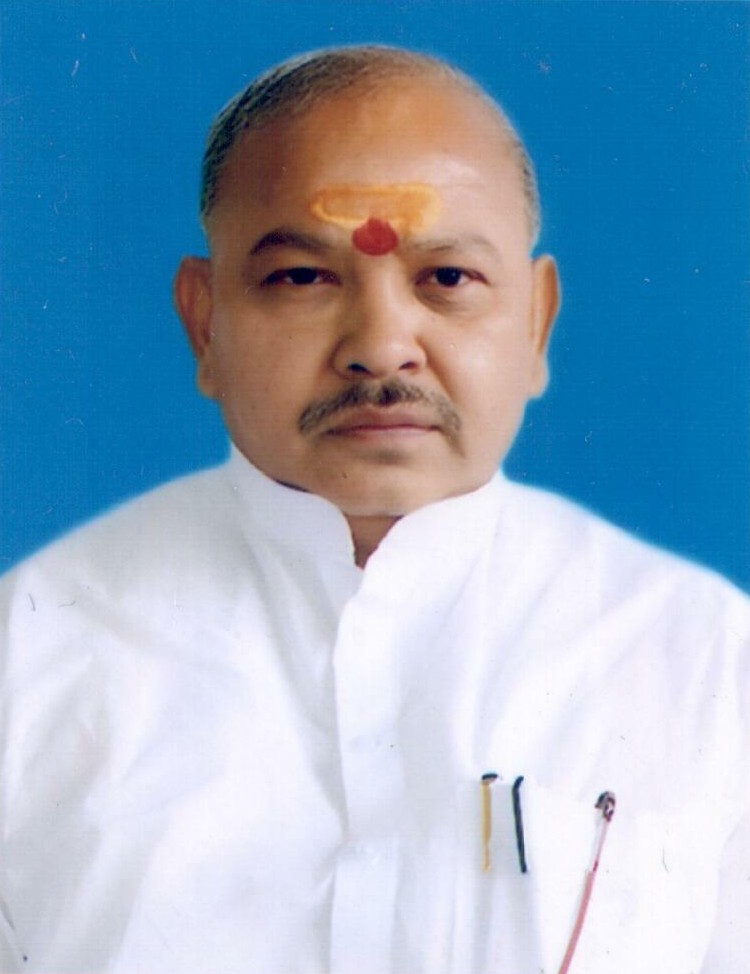
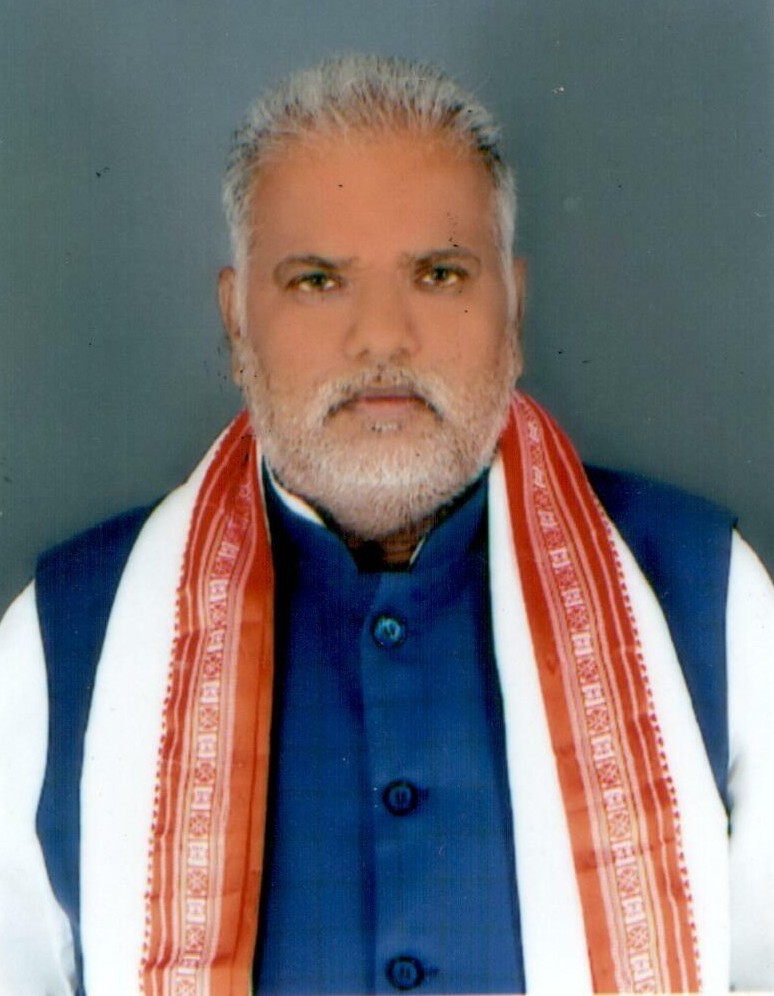
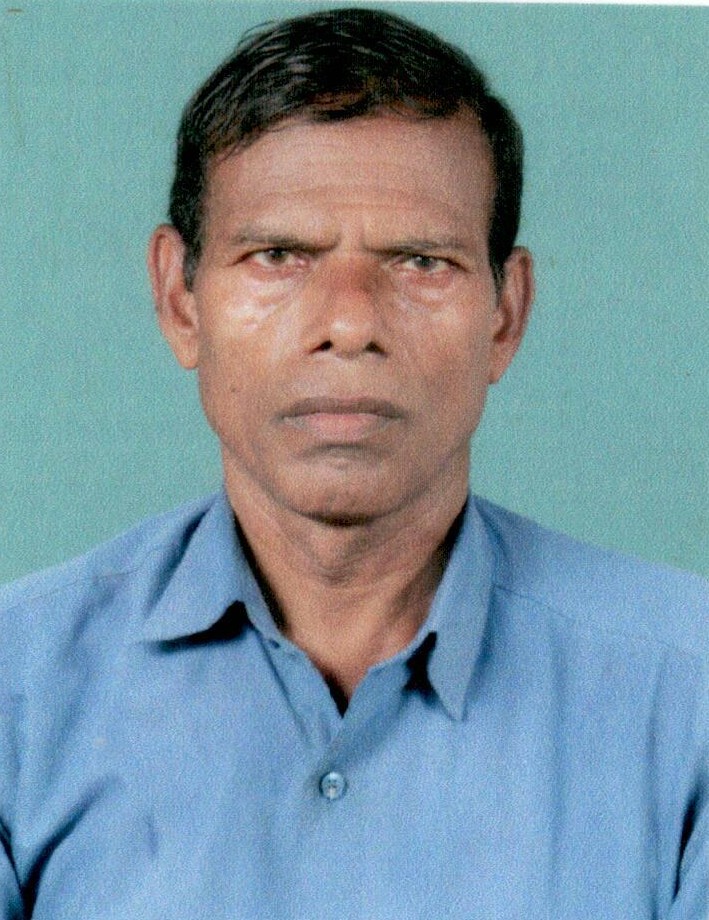
Nalanda Vidhan Sabha (Bihar Constituency-176) is an important assembly constituency located in Nalanda district, Bihar. Known for its historical and educational significance, this constituency falls under the Nalanda Lok Sabha seat. Traditionally, it has been a stronghold of JD(U). In the 2020 Bihar Assembly Elections, JD(U) candidate Shravan Kumar emerged victorious, demonstrating strong local support. The upcoming Nalanda Vidhan Sabha Election Result 2025 is expected to witness a competitive contest, influenced by development issues, caste dynamics, and leadership credibility.
Reading the 2025 Result
The Nalanda Election Result 2025 will largely depend on the following factors:
- Performance of the incumbent MLA: Voters will evaluate the sitting MLA on development initiatives, accessibility, and effective implementation of government schemes.
- Caste and community dynamics: Nalanda’s politics is strongly influenced by OBCs, SCs, and minority communities.
- Party alliances: The interplay between JD(U), RJD, BJP, and smaller regional parties could determine the final outcome.
- Youth and first-time voters: Young voters increasingly focus on employment, education, and infrastructure rather than just traditional party loyalties.
The primary contest is expected to be between JD(U) and RJD, while BJP aims to consolidate support among upper-caste voters.
Nalanda: Election Results
|
Year
|
Winner Candidate
|
Party
|
Votes Received
|
Vote %
|
Runner-up Candidate
|
Party
|
Margin
|
|
2020
|
Shravan Kumar
|
JD(U)
|
66,066
|
38.97%
|
Kaushalendra Kumar
|
Janata Vikas Party
|
16,077
|
|
2015
|
Shravan Kumar
|
JD(U)
|
72,596
|
-
|
Kaushalendra Kumar
|
BJP
|
2,996
|
|
2010
|
Shravan Kumar
|
JD(U)
|
58,067
|
-
|
Arun Kumar
|
BJP
|
21,037
|
The consistent victories of JD(U) highlight its strong base in the region, although narrow margins indicate the constituency can be highly competitive.
Geographical & Administrative Profile
Nalanda Vidhan Sabha constituency includes the following administrative blocks:
- Nursarai Block
- Ben Block
- Silao Block (partial)
- Bihar Sharif Block (partial)
- Rajgir Block (partial)
The constituency is primarily agriculture-oriented, with major crops including paddy, wheat, maize, and pulses. While Nalanda town represents the semi-urban center, the majority of the constituency is rural. Its proximity to the historic Nalanda University adds cultural and educational significance.
Voter Base & Gender Composition
- Total Voters (2020): ~3,05,418
- Male Voters: ~1,61,157
- Female Voters: ~1,43,499
- Voter Turnout (2020): 57.28%
Rising female voter participation has encouraged political parties to prioritize women-centric schemes, including education programs, self-help groups, and social welfare initiatives.
Caste & Community Breakdown
Nalanda constituency’s caste composition is approximately:
- Kurmi (OBC): ~30%
- Yadav (OBC): ~25%
- Scheduled Castes (SC): ~15%
- Muslims: ~20%
- Others (Bhumihar, Rajput, Brahmin): ~10%
JD(U) receives strong support from Kurmi and other backward classes, while RJD has a significant base among Yadavs and Muslims. BJP holds influence primarily among upper-caste voters. The alignment of these communities often determines election outcomes.
Recent Political Trends & 2020 Benchmark
In the 2020 elections, Shravan Kumar (JD(U)) defeated Kaushalendra Kumar (Janata Vikas Party) by a margin of 16,077 votes, reinforcing the party’s strong presence.
2020 vote share:
- JD(U): 38.97%
- Janata Vikas Party: 29.48%
- Congress: 20%
- Others: 11.55%
These figures illustrate that Nalanda is competitive, and even minor voter shifts can impact the final result.
Issues That Drive Voting Behaviour
- Agriculture & Irrigation: Access to irrigation facilities, fertilizers, and fair crop pricing remains a top concern.
- Employment & Youth Opportunities: Unemployment and rural-to-urban migration influence voting preferences.
- Infrastructure & Connectivity: Road conditions, electricity supply, and transport services are critical for voters.
- Education & Skill Development: Better schools, colleges, and vocational training are increasingly demanded.
- Social Welfare & Law & Order: Housing, pensions, and safety, especially for women, affect voter choices.
Conclusion
The Nalanda Vidhan Sabha Election Result 2025 will reflect both party strength and public priorities related to development, employment, and social welfare.
Being a politically sensitive constituency, Nalanda continues to mirror Bihar’s broader electoral trends. The Nalanda Legislative Assembly Result 2025 will provide clear insights into whether the electorate leans toward traditional party loyalties or favors candidates championing development and reform.
नालंदा विधानसभा: परिचय एवं 2025 का संदर्भ
नालंदा विधानसभा (बिहार निर्वाचन क्षेत्र-176), नालंदा जिले की एक महत्वपूर्ण सामान्य सीट है, जो ऐतिहासिक और शैक्षणिक दृष्टिकोण से अत्यधिक महत्वपूर्ण मानी जाती है। यह सीट नालंदा लोकसभा क्षेत्र के अंतर्गत आती है और जदयू (JD(U)) का गढ़ मानी जाती है। 2020 के विधानसभा चुनाव में श्रवण कुमार ने जदयू के उम्मीदवार के रूप में जीत हासिल की थी। आगामी नालंदा विधानसभा चुनाव 2025 में इस सीट पर फिर से कड़ा मुकाबला देखने को मिल सकता है।
नालंदा: निर्वाचन परिणाम
|
वर्ष
|
विजेता उम्मीदवार
|
दल
|
प्राप्त मत
|
मत प्रतिशत
|
उपविजेता उम्मीदवार
|
दल
|
अंतर
|
|
2020
|
श्रवण कुमार
|
जदयू
|
66,066
|
38.97%
|
कौशलेंद्र कुमार
|
जनतांत्रिक विकास पार्टी
|
16,077
|
|
2015
|
श्रवण कुमार
|
जदयू
|
72,596
|
-
|
कौशलेंद्र कुमार
|
भाजपा
|
2,996
|
|
2010
|
श्रवण कुमार
|
जदयू
|
58,067
|
-
|
अरुण कुमार
|
भाजपा
|
21,037
|
भौगोलिक एवं प्रशासनिक प्रोफ़ाइल
नालंदा विधानसभा क्षेत्र में निम्नलिखित प्रशासनिक इकाइयाँ शामिल हैं:
- नूरसराय प्रखंड
- बेन प्रखंड
- सिलाव प्रखंड (के कुछ ग्राम पंचायत)
- बिहार शरीफ प्रखंड (के कुछ ग्राम पंचायत)
- राजगीर प्रखंड (के कुछ ग्राम पंचायत)
यह क्षेत्र मुख्य रूप से कृषि प्रधान है, जहाँ धान, गेहूँ, मक्का और दलहन की प्रमुख फसलें उगाई जाती हैं। नालंदा नगर परिषद क्षेत्र की शहरी पहचान को दर्शाती है, जबकि अन्य क्षेत्र ग्रामीण परिवेश को बनाए रखते हैं।
मतदाता आधार एवं लिंग संरचना
- कुल मतदाता (2020): लगभग 3,05,418
- पुरुष मतदाता: लगभग 1,61,157
- महिला मतदाता: लगभग 1,43,499
- मतदान प्रतिशत (2020): 57.28%
महिला मतदाताओं की भागीदारी में वृद्धि ने राजनीतिक दलों को महिला कल्याण योजनाओं पर अधिक ध्यान केंद्रित करने के लिए प्रेरित किया है।
जातीय एवं सामुदायिक संरचना (सारांश)
नालंदा विधानसभा क्षेत्र की जातीय संरचना इस प्रकार है:
- कुर्मी (OBC): लगभग 30%
- यादव (OBC): लगभग 25%
- अनुसूचित जातियाँ (SC): लगभग 15%
- मुस्लिम समुदाय: लगभग 20%
- अन्य (भूमिहार, राजपूत, ब्राह्मण): लगभग 10%
जदयू को कुर्मी और अन्य पिछड़ा वर्ग के वोटों का समर्थन प्राप्त है, जबकि RJD यादव और मुस्लिम समुदायों में अपनी पकड़ बनाए रखता है। भा.ज.पा. का प्रभाव मुख्य रूप से उच्च जातियों में देखा जाता है।
हालिया राजनीतिक रुझान एवं 2020 का बेंचमार्क
2020 के विधानसभा चुनाव में श्रवण कुमार ने जनतांत्रिक विकास पार्टी के उम्मीदवार कौशलेंद्र कुमार को 16,077 मतों के अंतर से हराया था, जो इस क्षेत्र की चुनावी महत्वता को दर्शाता है।
2020 वोट प्रतिशत:
- जदयू (श्रवण कुमार): 38.97%
- जनतांत्रिक विकास पार्टी (कौशलेंद्र कुमार): 29.48%
- कांग्रेस (गुंजन पटेल): 20.00%
- अन्य: 11.55%
प्रमुख मुद्दे जो मतदान व्यवहार को प्रभावित करते हैं
- कृषि एवं सिंचाई सुविधाएँ: किसानों के लिए सिंचाई, खाद की उपलब्धता और फसलों के उचित मूल्य प्रमुख मुद्दे हैं।
- रोज़गार एवं युवाओं के अवसर: बेरोज़गारी और पलायन युवाओं के बीच मुख्य चिंता का विषय है।
- सड़क एवं बुनियादी ढाँचा: सड़क, बिजली और परिवहन की स्थिति पर चुनावों के दौरान गहन चर्चा होती है।
- शिक्षा एवं कौशल विकास: नालंदा की शैक्षणिक विरासत के कारण लोग बेहतर स्कूलों और कॉलेजों की मांग करते हैं।
- सामाजिक सुरक्षा एवं कानून व्यवस्था: पेंशन, आवास और महिलाओं की सुरक्षा जैसे मुद्दे भी महत्वपूर्ण हैं।
निष्कर्ष
नालंदा विधानसभा चुनाव परिणाम 2025 न केवल स्थानीय उम्मीदवारों की लोकप्रियता का मापक होगा बल्कि यह भी दिखाएगा कि जनता विकास, रोजगार और सामाजिक समानता के मुद्दों को कितना प्राथमिकता देती है।
राजनीतिक रूप से संवेदनशील यह क्षेत्र हमेशा से बिहार की राजनीति का संकेतक रहा है। आगामी नालंदा विधान सभा परिणाम 2025 एक बार फिर यह तय करेगा कि नालंदा जिले में जनता की उम्मीदें किस दिशा में जा रही हैं परंपरा के समर्थन में या परिवर्तन की ओर।